The Ownership Divide: How Gen Z and Gen Alpha Are Redefining What It Means to "Own" a Game
An in-depth analysis of the fundamental generational shift from physical collections to subscription-based gaming access, and what it means for the future of gaming culture and preservation.

The concept of game ownership is undergoing a seismic shift that mirrors broader changes in how younger generations consume media. While millennials and Gen X gamers grew up meticulously organizing physical game collections—cartridges, discs, and boxes displayed like trophies—Gen Z and Gen Alpha are embracing a fundamentally different relationship with games. For them, ownership isn't about possession; it's about access.
This transformation isn't merely a technological evolution—it represents a profound psychological and cultural shift in how we value, experience, and preserve gaming as an art form. The rise of subscription services like Xbox Game Pass, PlayStation Plus, and cloud gaming platforms has created what industry analysts call the "Netflix-ification" of gaming, where an entire generation is growing up without ever buying a physical game or even downloading permanent digital copies.
The Physical Collection Era: Gaming as Tangible Property
For gamers who came of age in the 1980s through early 2010s, game ownership was visceral and concrete. Physical media represented not just entertainment, but investment, identity, and permanence. The ritual of purchasing a game involved driving to a store, holding the box, reading the manual during the car ride home, and carefully placing the disc or cartridge into the console.
This generation developed what psychologists call "material attachment"—a deep emotional connection to physical objects that represent memories and achievements. A shelf of game cases wasn't just storage; it was a curated museum of personal gaming history. Each box told a story: the RPG that consumed an entire summer, the fighting game that sparked friendships, the adventure that defined a childhood.
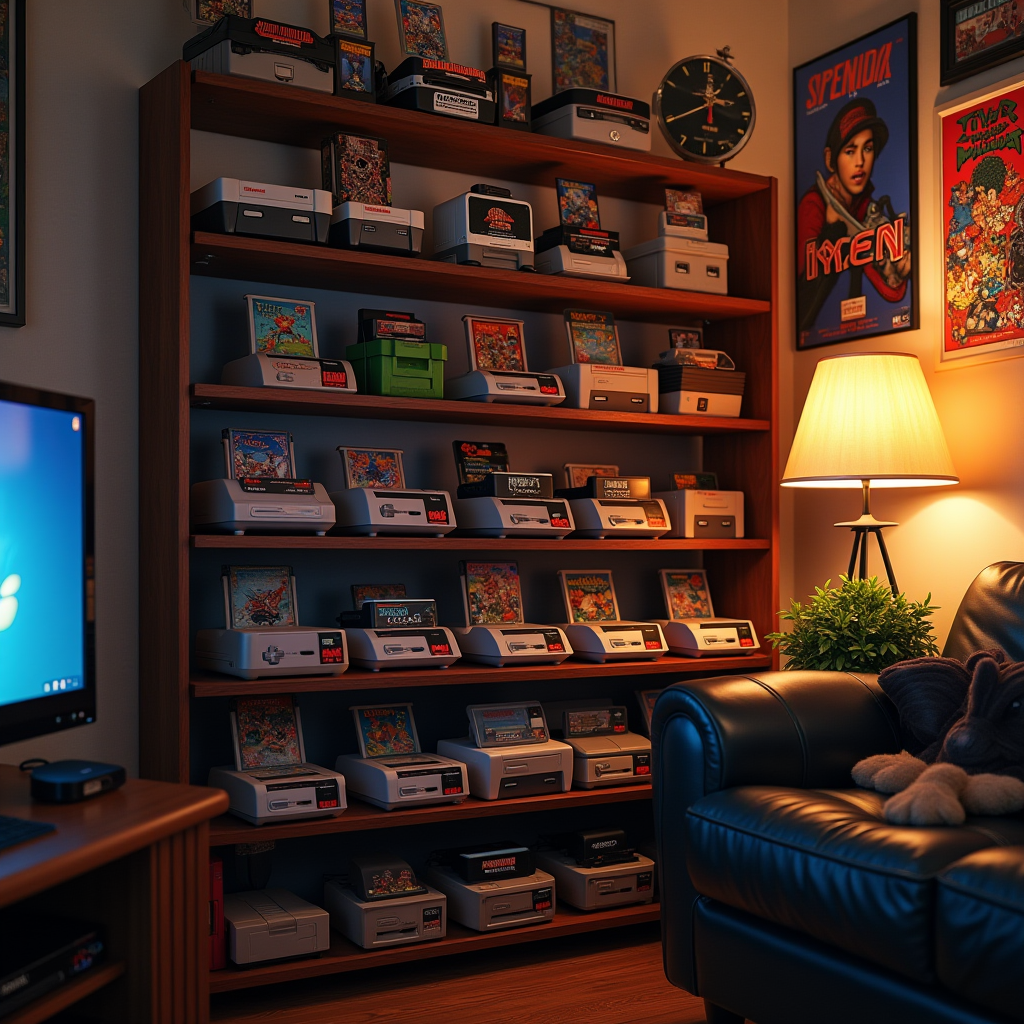
The economics reinforced this mindset. Games cost $50-70, representing significant purchases that demanded careful consideration. Buyers researched reviews, debated with friends, and committed to their choices. This scarcity created value—both monetary and emotional. Trading games with friends, selling used copies, or discovering rare titles at garage sales became integral parts of gaming culture.
Moreover, physical ownership provided security. Your game library couldn't be revoked by a company decision, server shutdown, or licensing dispute. The cartridge or disc was yours indefinitely, playable as long as the hardware functioned. This permanence fostered a collector mentality where games appreciated in value over time, both sentimentally and financially.
The Ritual of Ownership
The physical era created rituals that shaped gaming identity. Midnight launches brought communities together in shared anticipation. Unboxing a new game—removing the shrink wrap, inhaling that "new game smell," examining the artwork—was a ceremonial experience. Game manuals, often featuring artwork and lore, were read cover-to-cover before even starting the game.
These rituals created what anthropologists call "liminal experiences"—transitional moments that marked the beginning of a new gaming journey. The physical act of inserting a cartridge or disc became a psychological trigger, signaling the brain to shift into gaming mode. This tangible interaction created stronger memory formation and emotional attachment compared to simply clicking an icon on a digital interface.
The Subscription Revolution: Access Over Ownership
Enter Gen Z and Gen Alpha, generations raised on Spotify, Netflix, and YouTube. For them, the idea of "owning" media feels antiquated, even burdensome. Why purchase individual games when hundreds are available through a monthly subscription? This mindset represents more than convenience—it reflects a fundamental reimagining of value in the digital age.
Xbox Game Pass, launched in 2017, pioneered this model in gaming. For $10-15 monthly, subscribers access hundreds of games, including day-one releases from major publishers. PlayStation Plus evolved similarly, offering tiered subscriptions with extensive game libraries. Nintendo Switch Online, while more limited, provides access to classic NES and SNES titles. These services transformed gaming from a product into a service—from ownership to rental.
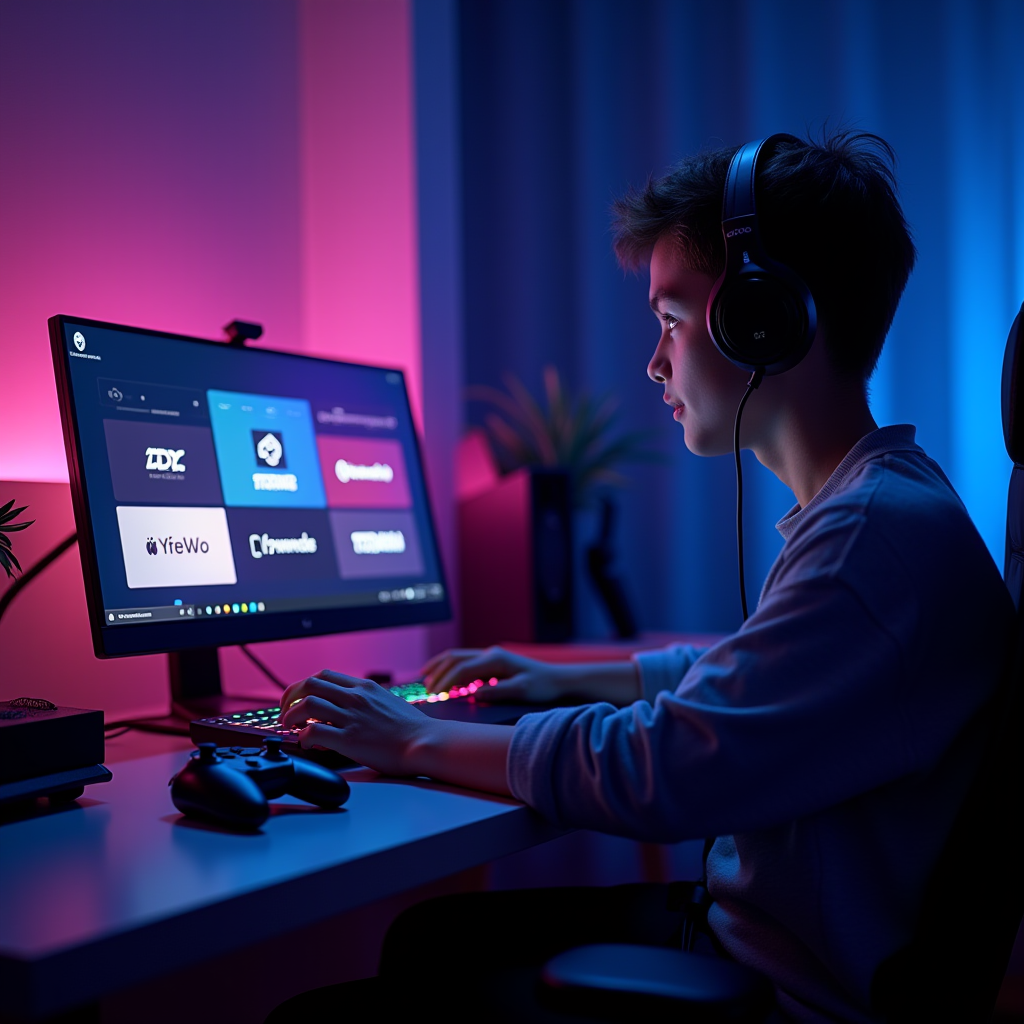
The psychological impact is profound. Younger gamers exhibit what researchers call "abundance mentality"—the belief that content is infinite and always available. This contrasts sharply with the "scarcity mentality" of older gamers who grew up with limited access to games. When you have 400 games available instantly, individual titles become less precious. The paradox of choice means games are sampled rather than savored, played for hours rather than completed, and abandoned without guilt.
This shift also changes discovery patterns. Instead of researching purchases extensively, younger gamers browse subscription libraries like Netflix queues, trying games based on thumbnails, friend recommendations, or algorithmic suggestions. The financial barrier to experimentation disappears—if a game doesn't hook you in 30 minutes, simply move to the next one. This creates a more exploratory but potentially less committed gaming style.
The Economics of Access
From a purely economic standpoint, subscriptions offer extraordinary value. A single AAA game costs $70, while a year of Game Pass costs $180 but provides access to hundreds of titles. For budget-conscious younger gamers, the math is compelling. Why save for months to buy one game when you can access an entire library for less?
However, this model shifts power dynamics. Publishers and platform holders control access, able to remove games from services at will. Licensing agreements expire, companies make strategic decisions, and suddenly games disappear from libraries. Younger gamers accept this impermanence as the cost of access, while older gamers view it as a fundamental violation of ownership rights.
Psychological Differences: Possession vs. Experience
The ownership divide reveals deeper psychological differences between generations. Older gamers derive satisfaction from possession—the tangible proof of their gaming history. Their collections represent identity, achievement, and permanence. Physical games are artifacts that trigger memories and provide comfort through their mere presence.
Research Insight: Studies in consumer psychology show that physical ownership activates different neural pathways than digital access. Physical objects create stronger emotional bonds through tactile interaction and visual presence. The "endowment effect" makes people value items they own more highly than identical items they don't possess—a phenomenon that doesn't apply to subscription access.
Conversely, younger gamers prioritize experience over possession. They value flexibility, variety, and the ability to explore without commitment. Their gaming identity isn't tied to what they own but what they've played, shared, and experienced. Social media and streaming platforms allow them to document and share gaming moments without needing physical proof.
This difference extends to completion rates. Older gamers, having invested $60-70 in a game, feel compelled to finish it—a phenomenon economists call "sunk cost fallacy." Younger gamers, paying a flat subscription fee, feel no such obligation. They sample freely, moving between games based on interest rather than investment. This creates a more casual but potentially less deep engagement with individual titles.

The Curation Paradox
Interestingly, the abundance of subscription services has created a new form of curation anxiety. With hundreds of games available, younger gamers often struggle to choose what to play—a phenomenon called "decision paralysis." Older gamers, with limited collections, knew exactly what they owned and could make deliberate choices. The infinite library becomes overwhelming rather than liberating.
This has spawned new social behaviors. Younger gamers rely heavily on influencers, friends, and algorithms to navigate subscription libraries. Gaming becomes more social and recommendation-driven, with viral moments and trending titles driving play patterns. The individual discovery journey of older gamers—reading magazines, exploring game stores—has been replaced by algorithmic curation and social validation.
The Preservation Crisis: What Happens When Servers Shut Down?
The shift to subscription-based gaming raises urgent questions about preservation. Physical games can be played decades after release, but digital-only titles depend on active servers and corporate support. When companies shut down services, entire libraries can vanish overnight—a reality that has already occurred with services like Google Stadia.
Gaming historians and preservationists warn that we're creating a "lost generation" of games. Unlike films or books, which can be archived physically, cloud-based games exist only as long as companies maintain them. When licensing agreements expire or services become unprofitable, games disappear from cultural memory. This threatens gaming's status as an art form worthy of preservation.

Older gamers, having witnessed the loss of online services for games like Xbox 360 titles, understand this fragility. They maintain physical collections partly as insurance against digital impermanence. Younger gamers, however, often dismiss these concerns, trusting that companies will maintain access or that games will be re-released. This optimism may prove misplaced as the industry prioritizes new releases over legacy support.
The preservation issue extends beyond availability to authenticity. Games are increasingly "live services" that evolve through updates and patches. The version available through a subscription service may differ significantly from the original release. Without physical media preserving specific versions, gaming history becomes fluid and revisionist. Future generations may never experience games as they were originally designed.
The Emulation Debate
Preservation concerns have fueled debates about emulation and piracy. Older gamers often justify emulation as necessary for preserving gaming history, especially for titles no longer commercially available. Younger gamers, accustomed to legal streaming services, may view emulation as unnecessary or unethical. This generational divide reflects different relationships with ownership and access—one generation sees preservation as a responsibility, the other trusts corporations to maintain cultural heritage.
Collector Culture: Thriving or Dying?
Despite the digital shift, collector culture remains vibrant—but it's increasingly niche. Physical game collecting has become a hobby for enthusiasts rather than a mainstream practice. Limited edition releases, special packaging, and retro game hunting attract dedicated communities, but these represent a shrinking percentage of the gaming population.
Ironically, the scarcity created by digital dominance has increased the value of physical games. Sealed copies of classic titles sell for thousands of dollars. Retro game stores thrive in urban areas, catering to nostalgic millennials and Gen X gamers. Collecting has become an investment strategy, with rare games appreciating faster than many traditional assets.
Market Trend: The retro gaming market reached $200 million in 2024, with sealed copies of rare titles like "Super Mario 64" selling for over $1.5 million at auction. This represents a 300% increase in value over five years, driven by millennial nostalgia and investment speculation. Meanwhile, 78% of Gen Z gamers have never purchased a physical game.
Younger gamers occasionally participate in collector culture, but their approach differs. They collect merchandise, figurines, and art books rather than games themselves. The physical object becomes a supplement to the digital experience rather than the primary artifact. This shift reflects their comfort with digital ownership—the game exists in the cloud, but physical items provide tangible connection.

The Hybrid Collector
A new breed of "hybrid collectors" is emerging—typically older Gen Z or younger millennials who appreciate both physical and digital. They maintain small curated physical collections of favorite titles while subscribing to digital services for variety. This pragmatic approach acknowledges the benefits of both models: the permanence and tangibility of physical media combined with the convenience and breadth of subscriptions.
The Social Dimension: Sharing and Community
Ownership models profoundly affect how gamers share and build community. Physical games enabled lending to friends, creating social bonds through shared experiences. Borrowing a friend's game was an act of trust and generosity that strengthened relationships. This practice is impossible with digital subscriptions tied to individual accounts.
However, subscription services create new forms of community. Shared libraries mean friends can discuss games they're all playing simultaneously without coordinating purchases. Game Pass's day-one releases create collective experiences as entire communities explore new titles together. Discord servers and streaming platforms facilitate real-time sharing that transcends physical proximity.
Younger gamers also share differently through content creation. Rather than lending physical games, they share gameplay videos, streams, and clips. The game itself becomes less important than the experience and narrative created around it. This shift from object-sharing to experience-sharing reflects broader changes in how digital natives build community and identity.
The Future: Coexistence or Complete Digital Dominance?
As we look toward the future, the question isn't whether physical media will survive—it's whether it will remain relevant beyond niche collector markets. Current trends suggest a hybrid future where physical releases cater to enthusiasts while digital subscriptions dominate mainstream gaming.
Several factors will shape this evolution. First, internet infrastructure improvements make cloud gaming increasingly viable, potentially eliminating even the need for downloads. Services like Xbox Cloud Gaming and NVIDIA GeForce Now allow gaming on any device with a screen and internet connection. This could make the concept of "owning" games—even digitally—obsolete.
Second, generational preferences will increasingly favor access over ownership. As Gen Alpha matures into the primary gaming demographic, their comfort with subscription models will drive industry decisions. Publishers will prioritize service-based revenue streams over individual sales, potentially making physical releases economically unviable except for major franchises.
Third, environmental concerns may accelerate the digital transition. Physical media production, packaging, and distribution create significant carbon footprints. Younger generations, more environmentally conscious than their predecessors, may view digital distribution as the ethical choice. This could add moral weight to what's currently a practical preference.
The Preservation Solution
However, preservation concerns may create counterpressures. Gaming museums, libraries, and archives are beginning to recognize games as cultural artifacts worthy of preservation. Legal frameworks may evolve to protect gaming heritage, potentially requiring companies to maintain access to historical titles or release them to public archives when commercial support ends.
Some companies are already responding to preservation concerns. Nintendo's Switch Online service provides access to classic titles, while Sony's PlayStation Plus Premium includes PS1, PS2, and PSP games. These efforts, while imperfect, acknowledge the value of gaming history and the need to maintain access across generations.
Conclusion: Understanding, Not Judging
The ownership divide between generations isn't about right or wrong—it's about different values shaped by different technological and cultural contexts. Older gamers' attachment to physical media reflects their formative experiences in an era of scarcity and permanence. Younger gamers' embrace of subscriptions reflects their reality of abundance and access.
Both approaches have merit and limitations. Physical ownership provides security, tangibility, and preservation but lacks convenience and variety. Subscriptions offer incredible value and flexibility but create dependency and impermanence. The ideal future likely involves coexistence, with options for both models serving different needs and preferences.
What's crucial is recognizing that these differences reflect broader generational shifts in how we relate to media, property, and culture. As gaming continues evolving, understanding these perspectives becomes essential for building inclusive communities that respect diverse approaches to this art form we all love.
The conversation about ownership isn't really about games—it's about identity, memory, and how we preserve what matters to us. Whether through shelves of physical games or curated digital libraries, gamers across generations are united by passion for interactive entertainment. The medium may change, but the love of gaming transcends the format.