Who Owns Retro? The Generational Battle Over Gaming's Past
Exploring the complex dynamics between Gen X gamers who lived through the 8-bit and 16-bit eras and younger generations discovering these classics through modern re-releases and emulation.
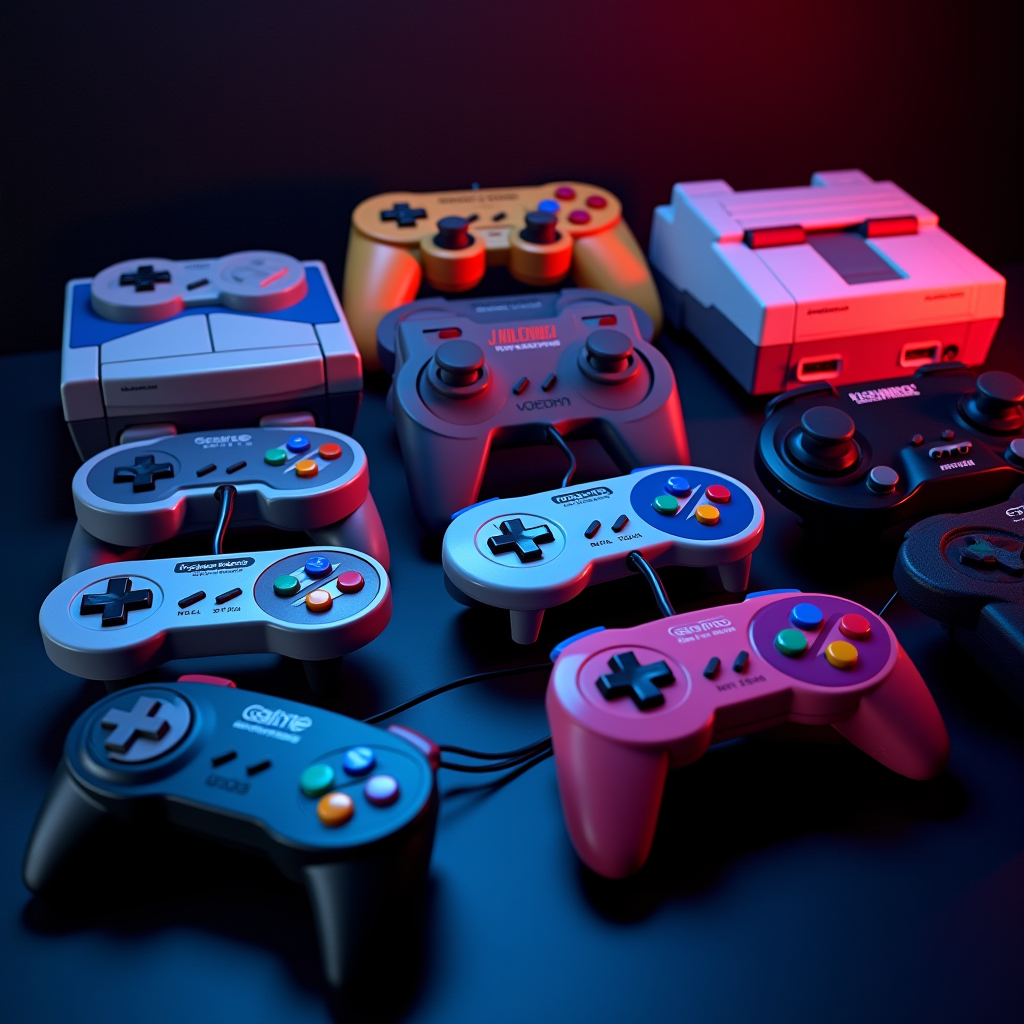
The conversation started innocuously enough in a Discord server dedicated to classic gaming. A 19-year-old posted their excitement about finally beating Super Metroid for the first time via Nintendo Switch Online. Within minutes, the chat erupted into a heated debate that would rage for hours: Can someone who didn't experience these games in their original context truly appreciate them? Do younger gamers have the right to claim these titles as "their" classics?
This tension—simmering beneath the surface of retro gaming communities for years—has exploded into full view as generational conflicts in games become increasingly visible. It's a battle not just over pixels and polygons, but over memory, authenticity, and the very definition of what makes a game "classic."
The Authenticity Debate: Living It vs. Discovering It
For Gen X gamers who grew up in the 1980s and early 1990s, retro gaming isn't just a hobby—it's autobiography. These are the games they saved allowance money to buy, the cartridges they blew dust out of, the experiences that defined their childhoods. When a 45-year-old talks about The Legend of Zelda, they're not just discussing game mechanics; they're recalling the smell of their childhood bedroom, the sound of their parents calling them for dinner, the feeling of discovery in an era before GameFAQs and YouTube walkthroughs.
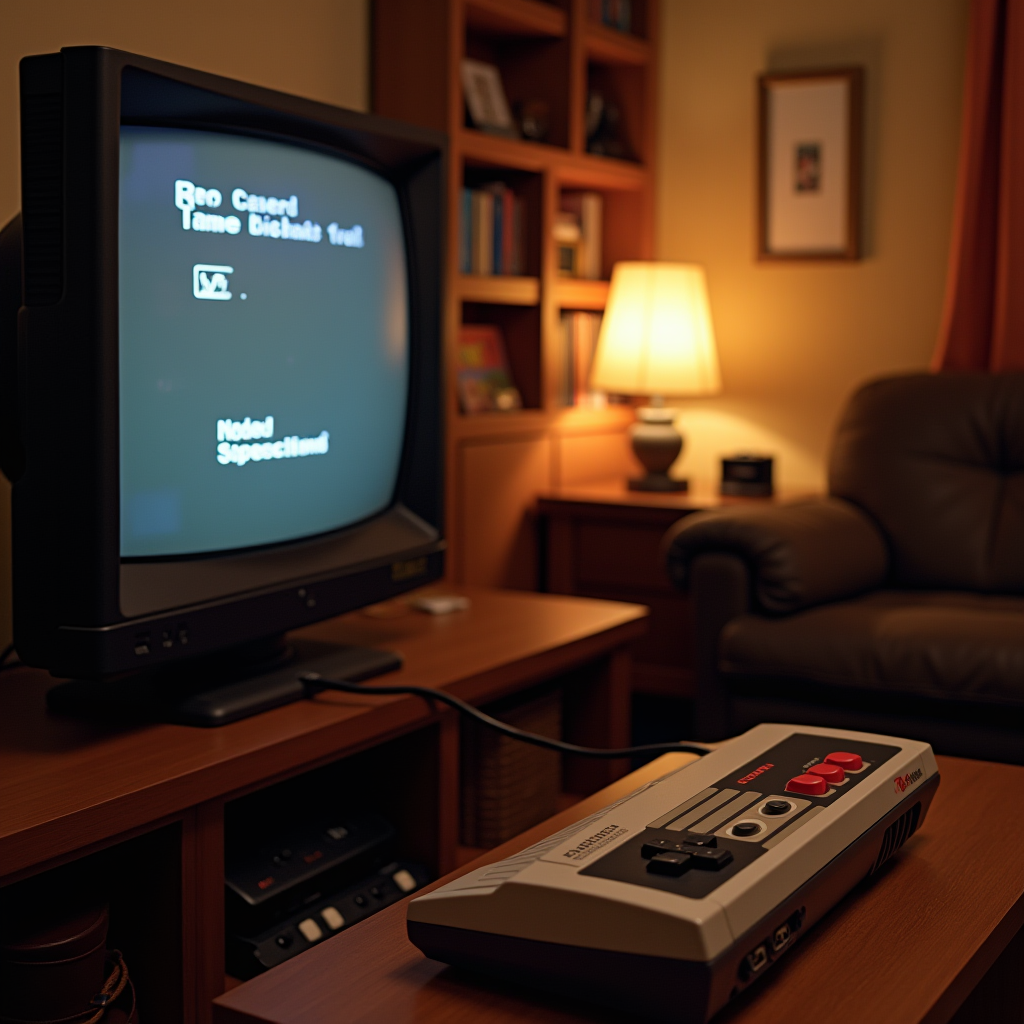
"There's something fundamentally different about experiencing these games when they were cutting-edge technology versus playing them as historical artifacts," explains Marcus Chen, a 43-year-old game preservationist. "We didn't know what games could become. Every new title was pushing boundaries we didn't know existed. That sense of possibility, that frontier feeling—you can't recreate that."
This perspective has created what some call the "authenticity gatekeeping" phenomenon. Older gamers sometimes dismiss younger players' experiences as somehow less valid, arguing that playing Chrono Trigger on a smartphone fundamentally differs from playing it on a SNES connected to a CRT television. The argument extends beyond hardware to context: without the cultural moment, the technological limitations, the shared playground conversations, can the experience truly be the same?
The Counter-Argument: Fresh Eyes, New Appreciation
Younger gamers, however, push back against this narrative with compelling arguments of their own. They contend that experiencing these games without the rose-tinted glasses of nostalgia allows for more objective appreciation of their actual quality and design.
"I don't have childhood memories clouding my judgment. When I play Super Mario Bros. 3, I'm evaluating it purely on its merits as a game. And you know what? It holds up brilliantly. That's not nostalgia—that's good design."
This generation approaches retro games with a curator's eye, analyzing them through the lens of modern game design theory. They can appreciate the elegance of Mega Man's level design without the frustration of having spent weeks stuck on a single boss. They understand the revolutionary nature of Final Fantasy VI's narrative without having experienced the shock of its plot twists in real-time.
The Commodification of Nostalgia
Complicating this generational divide is the gaming industry's aggressive monetization of nostalgia. Companies have recognized that gaming traditions and retro aesthetics sell—not just to those who remember them, but to younger audiences seeking authenticity in an increasingly homogenized gaming landscape.

The result is a strange marketplace where original cartridges of EarthBound sell for thousands of dollars while simultaneously being available for $10 on Nintendo's digital storefront. Limited edition "retro" consoles fly off shelves at $100 despite containing games freely available through emulation. The question becomes: what exactly are people buying? The games themselves, or the cultural cachet of ownership?
This commodification has created unexpected alliances and divisions. Some older gamers appreciate that younger players are keeping these games alive and relevant, ensuring continued support and preservation. Others see it as cultural appropriation—their childhood memories packaged and sold as aesthetic products to people who "weren't there."
The Emulation Divide
Perhaps nowhere is the generational conflict more visible than in attitudes toward emulation. For many younger gamers, emulation is simply the most practical way to access gaming history. Why spend hundreds of dollars on aging hardware and inflated cartridge prices when you can experience the same games—often with quality-of-life improvements—for free?
The Emulation Paradox
Older gamers often have complex relationships with emulation. Many used it themselves in the early 2000s to revisit childhood favorites. Yet they sometimes view younger gamers' emulation habits as somehow less legitimate—a "shortcut" that bypasses the "proper" way to experience these games.
This creates a paradox: the same person who downloaded ROMs twenty years ago may now argue that authentic retro gaming requires original hardware. The difference? When they emulated, it was preservation. When younger gamers do it, it's piracy.
The reality is more nuanced. Emulation has become crucial for game preservation as original hardware fails and cartridges degrade. Organizations like the Video Game History Foundation argue that without emulation, significant portions of gaming history would be lost forever. Yet this practical necessity doesn't resolve the emotional and cultural tensions around how these games "should" be experienced.
Defining "Classic": A Moving Target
At the heart of this generational conflict lies a fundamental question: what makes a game "classic"? Is it age? Cultural impact? Design quality? The answer varies dramatically depending on who you ask and when they started gaming.

For Gen X gamers, "classic" often means games from the NES, SNES, and Genesis era—roughly 1985 to 1995. These are the titles that defined their formative years and established many of gaming's foundational genres and mechanics.
Millennials, however, might consider PlayStation and N64 games from the late 1990s and early 2000s as the true classics. These were their childhood games, and they view the 8-bit and 16-bit eras as "before their time"—interesting history, but not personally meaningful.
Gen Z gamers are now beginning to claim Xbox 360 and PS3 titles from the late 2000s as classics worthy of preservation and reverence. To older gamers, calling a game from 2008 "retro" seems absurd. To someone born in 2005, it's ancient history.
The 20-Year Rule
This pattern reveals what some call the "20-year rule" of gaming nostalgia: games become "classic" roughly 20 years after their release, when the generation that grew up with them reaches adulthood and gains cultural influence. This means the definition of "retro" is constantly shifting, creating ongoing generational tensions as each cohort claims their childhood games as worthy of classic status.
Bridging the Divide: Shared Appreciation
Despite these tensions, there are signs of generational bridge-building in retro gaming communities. Many older gamers have come to appreciate how younger players bring fresh perspectives and renewed energy to classic titles. Speedrunning communities, for instance, unite gamers across generations in shared pursuit of mastery, regardless of when they first encountered the games.
Content creators like Gaming Historian and Noclip have found success by treating retro games as cultural artifacts worthy of serious documentary treatment. These productions appeal to both those who lived through these eras and those discovering them for the first time, creating shared language and understanding across generational divides.
Some communities have explicitly rejected gatekeeping in favor of inclusive enthusiasm. The r/retrogaming subreddit, for example, celebrates all forms of engagement with classic games—whether through original hardware, emulation, or modern re-releases. The focus shifts from "authentic" experience to shared appreciation of game design and history.
The Preservation Imperative
Perhaps most importantly, both generations are beginning to recognize their shared interest in game preservation. As original hardware fails and companies shut down digital storefronts, the need to preserve gaming history becomes urgent. This shared goal has created unexpected alliances between older gamers with extensive physical collections and younger gamers with technical expertise in emulation and digital archiving.
"We realized we're not enemies—we're partners in making sure these games survive for future generations. Whether you played them in 1989 or 2019 doesn't matter as much as ensuring people can still play them in 2049."
The Future of Retro Gaming
As we look ahead, the generational dynamics of retro gaming will continue to evolve. Gen Alpha—children born after 2010—are now beginning to discover classic games, bringing yet another perspective to these debates. For them, even the Xbox 360 is ancient history, and the NES might as well be from the Stone Age.
This constant generational turnover ensures that debates over authenticity, ownership, and what constitutes a "classic" will persist. But it also guarantees that these games will remain culturally relevant, constantly reinterpreted and rediscovered by new audiences.

The key may be recognizing that different forms of engagement with retro games are all valid. Playing Super Mario World on original hardware in 2025 is a different experience than playing it in 1991, but it's no less meaningful. Discovering Castlevania: Symphony of the Night through emulation in 2025 may lack the context of its 1997 release, but it can still be profound and transformative.
Moving Beyond Gatekeeping
The healthiest retro gaming communities are those that celebrate multiple forms of engagement while acknowledging their differences. They recognize that someone's first experience with Chrono Trigger is special whether it happened in 1995 or 2025, on a SNES or a smartphone. They understand that nostalgia and fresh discovery are both valuable lenses through which to appreciate classic games.
This doesn't mean abandoning discussions of context and authenticity. Understanding the historical and technological circumstances of a game's creation enriches appreciation for all players. But this knowledge should be shared generously, not wielded as a weapon to exclude or diminish others' experiences.
Conclusion: Shared Heritage, Different Paths
The generational conflicts over retro gaming ultimately reflect deeper questions about memory, authenticity, and cultural ownership in the digital age. These are not unique to gaming—similar debates play out around music, film, and other cultural artifacts. But gaming's unique combination of technological obsolescence and cultural significance makes these tensions particularly acute.
Perhaps the answer is to view retro gaming not as territory to be claimed by any single generation, but as shared cultural heritage that each generation experiences and interprets differently. The games themselves remain constant—it's our relationships with them that evolve.
Whether you played The Legend of Zelda when it was new or discovered it decades later, whether you prefer original hardware or embrace emulation, whether you're motivated by nostalgia or curiosity—you're part of keeping these games alive. And in an industry often obsessed with the next big thing, that shared commitment to preserving and celebrating gaming's past might be the most important thing of all.
Key Takeaways
- Generational conflicts over retro gaming reflect deeper tensions about authenticity, memory, and cultural ownership
- Both lived experience and fresh discovery offer valuable perspectives on classic games
- The commodification of nostalgia complicates discussions of who "owns" retro gaming culture
- Emulation serves both as practical preservation tool and source of generational tension
- The definition of "classic" constantly shifts as new generations reach adulthood
- Game preservation provides common ground for cross-generational collaboration
- Healthy retro gaming communities celebrate multiple forms of engagement while acknowledging their differences
The conversation that started in that Discord server continues in forums, comment sections, and gaming spaces across the internet. It's a conversation worth having—not to determine who's "right," but to understand how different generations relate to gaming's past and what that means for its future. Because ultimately, these games belong to everyone who finds meaning in them, regardless of when or how they first pressed start.